
Written By SPIN Staff October 5, 2015
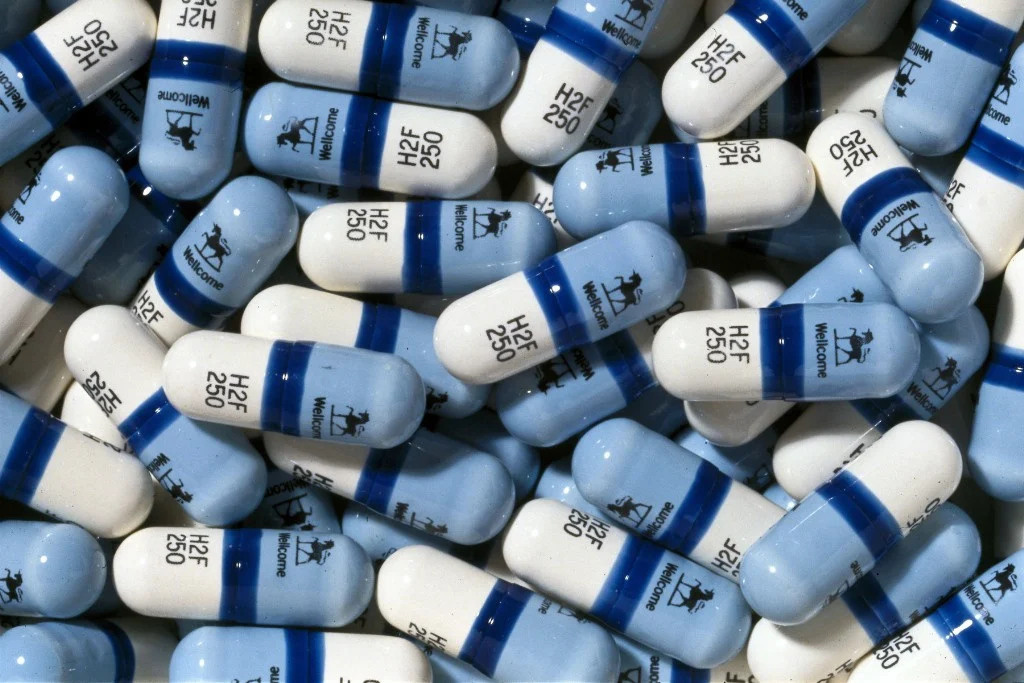
At the end of 1989, two years after we had started the highly controversial AIDS column in SPIN, we published an article by Celia Farber called “Sins of Omission” about the truly bad and corrupt science surrounding promoting AZT as a treatment for the syndrome of diseases.
Celia was the editor and frequent writer of the column and unearthed hard evidence of the cold-bloodedness of the AIDS establishment pushing a drug that was worse than the disease, and killed faster than the natural progression of AIDS left untreated. AZT had been an abandoned cancer drug, discarded because of it’s fatal toxicity, resurrected in the cynical belief that AIDS patients were going to die anyway, so trying it out was sort of like playing with the house’s money. Because the drug didn’t require the usual massively expensive research and trial processes, having gone through that years earlier, it was insanely profitable for its maker, Burroughs Wellcome. It was a tragically perfect storm of windfall profits, something to pacify AIDS activists and the media, and a convenient boom to the patent holders for HIV testing.
Celia — who should get the Congressional Medal of Honor for her brave and relentless reporting, here and throughout the ten years we ran the column — exposed the worthlessness of the drug, the shady studies and deals to suppress the negative findings, and its awful and final consequences. This piece very literally changed the media’s view of AIDS and sharpened their discerning and skeptical eye. And soon after, AZT was once again shelved, hopefully this time forever.
Many times over the years since, people have come up to me and said that reading this article saved their lives, that they either stopped taking the drug and their health improved vastly, or they never took it because of what we reported. Nothing ever made me prouder.
— Bob Guccione Jr., founder of SPIN, October 3, 2015
[This story was originally published in the November 1989 issue of SPIN. In honor of SPIN’s 30th anniversary, we’ve republished this piece as part of our ongoing “30 Years, 30 Stories” series.]
On a cold January day in 1987, inside one of the brightly-lit meeting rooms of the monstrous FDA building, a panel of 11 top AIDS doctors pondered a very difficult decision. They had been asked by the FDA to consider giving lightning-quick approval to a highly toxic drug about which there was very little information. Clinically called Zidovudine, but nicknamed AZT after its components, the drug was said to have shown a dramatic effect on the survival of AIDS patients. The study that had brought the panel together had set the medical community abuzz. It was the first flicker of hope — people were dying much faster on the placebo than on the drug.
But there were tremendous concerns about the new drug. It had actually been developed a quarter of a century earlier as a cancer chemotherapy, but was shelved and forgotten because it was so toxic, very expensive to produce, and totally ineffective against cancer. Powerful, but unspecific, the drug was not selective in its cell destruction.
Drug companies around the world were sifting through hundreds of compounds in the race to find a cure, or at least a treatment, for AIDS. Burroughs Wellcome, a subsidiary of Wellcome, a British drug company, emerged as the winner. By chance, they sent the failed cancer drug, then known as Compound S, to the National Cancer Institute along with many others to see if it could slay the AIDS dragon, HIV. In the test tube at least, it did. At the meeting, there was a lot of uncertainty and discomfort with AZT. The doctors who had been consulted knew that the study was flawed and that the long-range effects were completely unknown. But the public was almost literally baying at the door. Understandably, there was immense pressure on the FDA to approve AZT, considering the climate of fear and anger all around.*

 Unorthodox Truth